

When that comes to picking jewelry, the setting plays an essential role both in appearance and security. Although the gemstone generally gets all the glory, the prong setting is the unsung hero of which holds everything together. In this post, we'll explore the particular fascinating world of prong settings, busting down their numerous types, pros in addition to cons, and ideal applications. Whether you're a jewelry enthusiast, an engaged pair looking for the particular perfect ring, or even a fashion tumblr seeking inspiration, information will shine a mild on the intricacies of prong settings.
Exactly what are Prong Configurations and Why Will be They Important?
Wedding bands are little metal claws that will grip a gem stone, holding it securely in place while allowing maximum lighting to pass through the natural stone. This design certainly not only improves the gem's brilliance but in addition provides a timeless, traditional look. Prong configurations are incredibly versatile, which makes them a popular choice for wedding rings, necklaces, earrings, and other types of necklaces.
Understanding prong configurations is vital for anyone involved in the particular selection or design of jewelry. The type of setting you select can influence not just the look of the piece but also its durability and even ease of preservation. For engaged young couples, the right prong setting can make a significant difference in precisely how well the diamond ring complements the gem stone and withstands daily wear.
In the particular sections in this article, we'll take an specific look at typically the most widely used types associated with prong settings, their particular benefits and drawbacks, and where they will best apply. By the end with this guide, you'll become equipped with the particular knowledge to make advised decisions with regards to your up coming jewelry purchase or even design project.
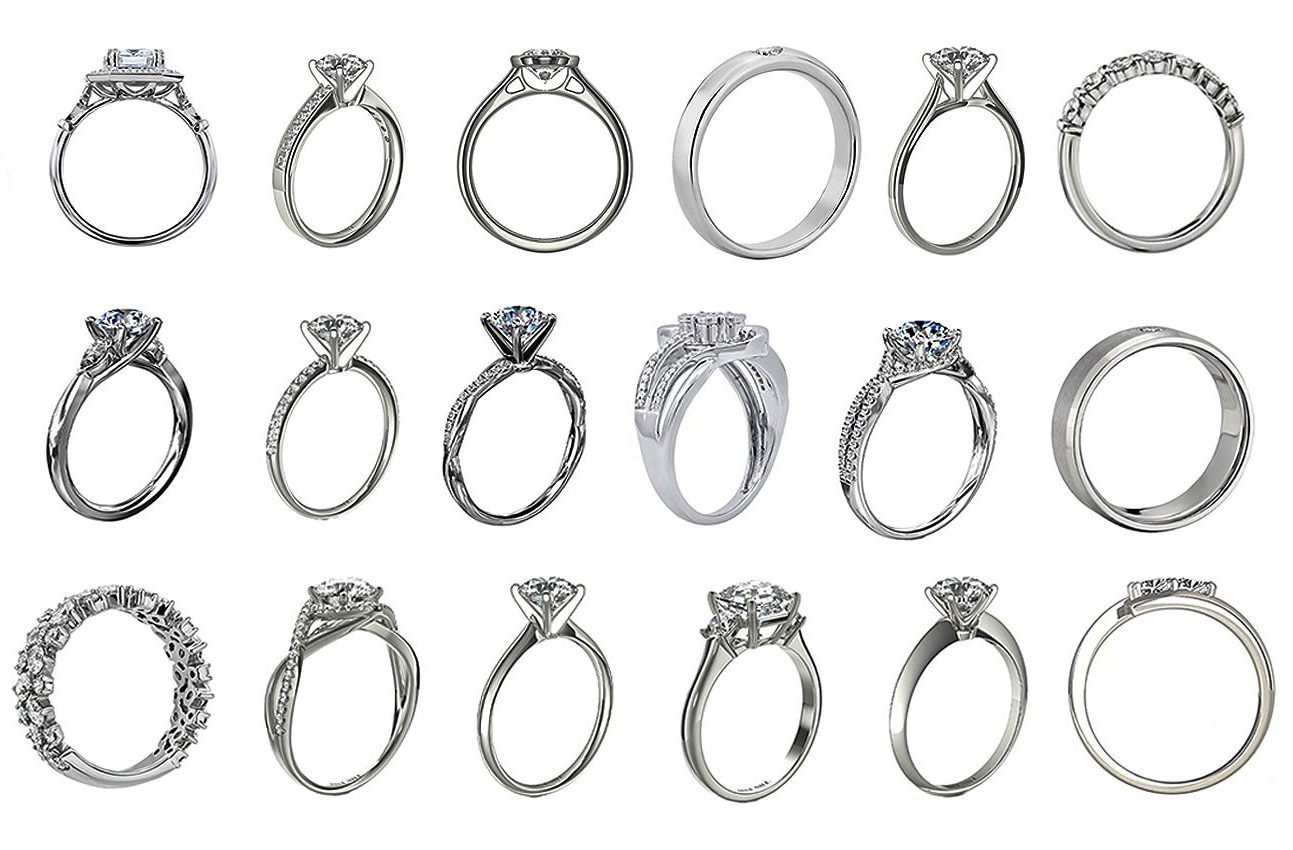
Typically the Four-Prong Setting
The four-prong setting is certainly a classic choice that offers a new balanced blend of safety and visibility. Using just four prongs holding the gemstone, this setting supplies ample light publicity, enhancing the stone's brilliance.
One of many significant benefits of the four-prong setting is usually its simplicity. The minimal amount associated with metal used enables the gemstone to be able to take center stage. This setting is specially well-known for solitaire engagement rings, where emphasis is entirely on the central rock.
However, the four-prong setting does include its drawbacks. Less prongs mean much less overall security, which may be a concern for larger gemstones. Regular maintenance is usually essential in order that the prongs remain tight and secure over time.
The Six-Prong Setting
The six-prong setting offers further security compared in order to the four-prong setting, making it an outstanding choice for important or larger gem stones. With six points of contact, the gems is held more securely, reducing the risk of it becoming loose or falling out and about.
While the six-prong environment provides enhanced safety, it uses more metal, that may slightly block the lovely view of the particular gemstone. This is the little trade-off for the additional peace of thoughts, particularly for pieces of which will be put on frequently.
Another edge with the six-prong placing is its toughness. The excess prongs disperse stress more consistently throughout the gemstone, producing it less prone to damage. This kind of setting is ideal for engagement bands and high-value pieces that require optimum protection.
The V-Prong Setting
The V-prong setting is named to the V-shaped prongs that cradle typically the gemstone, offering excellent security and an unique aesthetic. This setting is particularly powerful for gemstones with sharp corners, this sort of as princess or even marquise cuts.
One of the main benefits of the particular V-prong setting is definitely its ability to be able to protect the fragile corners from the precious stone from chipping or damage. The V-shape provides a cuddle fit, ensuring of which the stone remains to be secure.
A prospective downside of the particular V-prong setting is that it can slightly unknown the corners with the gemstone, altering its appearance. However, for those who prioritize security and durability, this setting is a superb choice.
The Shared-Prong Setting
The shared-prong setting is frequently utilized in multi-stone precious jewelry pieces, such while eternity bands or even tennis bracelets. In this setting, two adjacent gemstones share a single prong, minimizing the quantity of metal applied and maximizing the stones' visibility.
One of many standout features involving the shared-prong establishing is its capacity to create a soft, continuous brand of rocks. This setting is usually perfect for individuals who want an amazing, uninterrupted sparkle.
Despite its visual appeal, the particular shared-prong setting really does have some disadvantages. The shared prongs can make typically the gemstones more susceptible to movement, as a result regular maintenance is definitely crucial to hold the prongs restricted and secure.
Looking at the Pros plus Cons
When it comes to deciding on the right prong setting, it's essential to weigh the benefits and cons involving each type. The particular four-prong setting offers simplicity and highest light exposure although may lack typically the security needed regarding larger gemstones. Typically the six-prong setting supplies added security plus durability but utilizes more metal, which in turn can obscure the gemstone slightly.
The particular V-prong setting excels in protecting gemstones with sharp corners and offering a special look, though it may alter the stone's appearance. The shared-prong setting is excellent for multi-stone pieces, providing a constant sparkle but demanding diligent maintenance to be able to ensure the stones remain secure.
Understanding these trade-offs can help you make an informed decision and select a setting that will best meets your needs and preferences.
Best Applications with regard to Different Prong Configurations
Each type regarding prong setting offers its ideal programs, depending on the gemstone as well as the item of jewelry. Regarding solitaire engagement jewelry, the four-prong setting up is really a timeless choice that showcases the central stone wonderfully. For larger or perhaps more valuable gems, the six-prong setting offers added safety measures and reassurance.
The V-prong setting is usually perfect for rocks with delicate 4 corners, providing both security and style. The shared-prong setting shines within multi-stone pieces, developing a dazzling, continuous line of sparkle that's perfect for eternity bands plus tennis bracelets.
Simply by learning the strengths and weaknesses of every setting, you will choose the ideal option for the particular needs.
Notable Jewelry Pieces with Prong Settings
Prong adjustments have been used in some of typically the most famous plus valuable pieces associated with jewelry throughout history. The iconic Jewelry Setting, introduced in 1886, features some sort of six-prong design of which elevates the precious stone above the band, making the most of its brilliance.
One more notable example is usually the engagement ring used by Princess Diana and now Kate Middleton, which includes a stunning oval sky-blue surrounded by a new halo of diamonds, all secured using prong settings.
These kinds of examples highlight the timeless appeal in addition to versatility of prong settings in producing breathtaking jewelry items.
Tips for Maintenance and even Care
Maintaining prong-set jewelry is necessary to ensure the longevity and attractiveness. Regular inspections are crucial to check regarding any loose prongs or damage. It's also a good idea to have your necklaces professionally cleaned and inspected at the very least once a year.

When not wearing the prong-set jewelry, store it in some sort of soft, padded package to prevent any damage. Avoid exposing your own jewelry to severe chemicals or great temperatures, as these kinds of can weaken the particular prongs and have an effect on the gemstone's appearance.
By following these kinds of simple maintenance hints, you can keep on your prong-set jewelry looking its greatest for years in order to come.
Bringing this All Together
Prong settings play a vital role in both the aesthetics and security of knickknack pieces. Regardless of whether you prefer the simpleness of a four-prong environment, additional security of a six-prong setting up, the unique look of a V-prong setting, or the particular continuous sparkle involving a shared-prong setting, there's a perfect means to fix every piece of jewelry.
Learning the different types involving prong settings plus their best apps will help a person make informed decisions and create or even choose jewelry parts that are equally beautiful and sturdy.
If you include any questions or need further advice on selecting the most appropriate prong setting for your jewellery, feel free to be able to reach out to our staff of experts. Discuss your favorite prong-set jewelry pieces around, and let's observe the art associated with jewelry together!